As the tension of the presidential election mounted, Kelsea Palm, a senior at Wheaton College, sought solace in retail therapy, a common American response to anxiety. Palm, along with many others, turned to impulse shopping as a means to exert control and find happiness amidst uncertainty. This behavior, dubbed "doom spending," is a trend where consumers alleviate their fears about politics and the economy through purchases, a phenomenon prevalent across social media platforms and personal finance discussions.
According to an Axios Vibes survey by The Harris Poll in June, Gen Z and millennial consumers are particularly inclined to indulge in treats now rather than later, given the unpredictability of the future. While this spending may provide temporary relief, experts warn of its detrimental effects on long-term financial health. Courtney Alev, a consumer financial advocate at Credit Karma, explains that emotional spending is often irrational and can lead to a persistent economic pessimism.
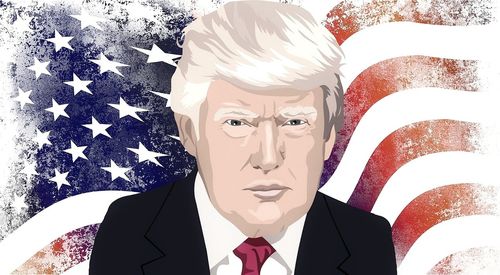
Alev notes that a third of Americans struggle to save due to uncertainty, a sentiment that is not unfounded given the economic climate. Despite a strong economy on paper with low unemployment and projected growth, only 37% of Americans approve of the economy, as per a February poll. The economy was a significant factor in the election, with 54% of voters trusting Trump to handle it better than Kamala Harris, according to a Gallup survey in October.
High grocery and housing costs, which make up a large portion of consumer budgets, continue to contribute to a negative economic perception. Sertan Kabadayi, a marketing professor, points out that despite slowing inflation, higher prices at the grocery store shape people's reality and economic outlook.
This financial gloom is driving credit card debt, with half of American cardholders carrying debt from month to month, as shown by an August Bankrate survey. Credit card delinquencies have also surpassed pre-pandemic levels, according to the Federal Reserve Bank of Philadelphia.
Beyond economic factors, internet habits, particularly among younger consumers, play a significant role in doom spending. Bankrate data indicates that constant exposure to bad news online influences spending habits. Financial therapist Aja Evans suggests that information overload, combined with influencer culture and advertising, can tempt consumers to spend.
Evans emphasizes the importance of self-awareness and understanding one's beliefs about money to manage spending habits during stressful events. She also recommends disconnecting from the internet and finding alternative coping strategies, such as outdoor activities or socializing, to avoid destructive financial behaviors.
In conclusion, while doom spending may offer a temporary dopamine boost, it is essential for consumers to recognize the long-term consequences and seek healthier ways to cope with economic and political anxiety.

By Victoria Gonzalez/Nov 13, 2024

By Michael Brown/Nov 11, 2024

By Samuel Cooper/Nov 11, 2024

By Sophia Lewis/Nov 11, 2024

By Laura Wilson/Nov 11, 2024

By Olivia Reed/Nov 11, 2024

By Amanda Phillips/Nov 11, 2024

By Emily Johnson/Nov 11, 2024

By Ryan Martin/Nov 11, 2024

By Rebecca Stewart/Nov 11, 2024

By Olivia Reed/Nov 11, 2024

By David Anderson/Nov 8, 2024

By Daniel Scott/Nov 8, 2024

By George Bailey/Nov 8, 2024

By Olivia Reed/Nov 8, 2024

By Joshua Howard/Nov 8, 2024

By Christopher Harris/Nov 8, 2024

By Daniel Scott/Nov 8, 2024
By George Bailey/Nov 8, 2024
By Sarah Davis/Nov 8, 2024