A Doctor's Thanksgiving Food Safety Guidelines

Nov 28, 2024 By Grace Cox

As the Thanksgiving holiday approaches, with an anticipated 80 million Americans hitting the roads, it's a timely reminder that foodborne illnesses are increasing. Fortunately, these illnesses are largely preventable with proper precautions. To ensure the safety of the meals and leftovers we prepare for our family, I sought advice from wellness expert Dr. Leana Wen. Dr. Wen, an emergency physician and clinical associate professor at George Washington University, has extensive experience in food safety from her tenure as Baltimore's health commissioner.


What are the causes of foodborne infections?

Dr. Leana Wen explains that foodborne infections stem from pathogens such as bacteria, viruses, and parasites. In the United States, norovirus is the most prevalent cause of foodborne infections. This highly contagious virus spreads through person-to-person contact, often via shared utensils or by touching contaminated objects and then the mouth. Other bacteria responsible for foodborne illnesses include salmonella, E. coli, Campylobacter, and listeria.


What symptoms do individuals typically exhibit?

Dr. Wen notes that common symptoms of foodborne illness encompass abdominal pain, nausea, diarrhea, and vomiting. While many individuals recover within a day, others may suffer severe illness depending on the pathogen and their pre-existing health conditions. Vulnerable groups include young children, pregnant women, the elderly, and those with compromised immune systems.


How can I ensure the food I prepare is safe, especially with recent food recalls?

While high-profile food recalls have made headlines, Dr. Wen emphasizes that most foodborne illnesses occur in everyday settings. It's crucial to stay informed about food recalls, which are listed by the U.S. government, and to check your fridge and pantry for any unsafe products. However, it's also important to focus on safe food preparation practices.


What are the best practices for defrosting a turkey?

Defrosting a turkey safely is essential to prevent bacterial growth. Dr. Wen outlines three methods for safely thawing turkey and other meats. The first method is to thaw in the refrigerator, which is the safest but takes the longest. Place the turkey in a container to prevent drips onto other foods, and allow 24 hours for every 4 to 5 pounds of turkey. The second method involves submerging the turkey in cold water in a leak-proof bag, which takes approximately 30 minutes per pound and requires changing the water every 30 minutes. It's imperative to cook the turkey immediately after thawing to prevent bacteria from multiplying. The third method is to use a microwave, with the time varying by appliance. This is the quickest method, but since parts of the turkey may begin to cook, it's essential to cook the turkey immediately after thawing. Leaving the turkey to thaw on a counter in a warm room is not advisable, as this can lead to uneven thawing and bacterial growth.


How long can a Thanksgiving buffet remain out before it's unsafe?

Dr. Wen advises following the "two-hour rule." Once food is cooked, it should not be left at room temperature for more than two hours. In warmer climates or outdoor settings where temperatures exceed 90 degrees Fahrenheit, food should be refrigerated after just one hour. This rule applies to all perishable foods, including meats, fish, and dairy products. Cooked leftovers should also be refrigerated. Foods exempt from the two-hour rule include baked goods like cookies and cakes, dried meats such as jerky, whole fruits that are uncut, and nuts.


What if food is kept warm on a burner or in a slow cooker?

The temperature range in which bacteria multiply rapidly is between 40 and 140 degrees Fahrenheit. If food is kept warm at a temperature above 140 degrees Fahrenheit or cooled below 40 degrees Fahrenheit, it does not count toward the two-hour rule. However, within two hours of removing the food from the warming or cooling device, it should be refrigerated.


Can food be refrigerated for the next day's leftovers?

Yes, leftovers can be enjoyed the next day if they are stored in the refrigerator in a timely manner. Leftovers can typically be kept in the fridge for three to four days and can also be frozen for three to four months.


Are there any other safety tips to consider before gatherings?

In addition to thawing and storing leftovers, it's important to cook or reheat food to the correct temperature. The required internal temperature varies by type of meat or fish, and using a meat thermometer is crucial for monitoring. Fish should be cooked to 145 degrees Fahrenheit, and chicken, turkey, and other poultry to 165 degrees Fahrenheit. Be vigilant about cross-contamination by not using containers or utensils that have touched raw meat or fish with other products, such as vegetables and fruits.


Norovirus, the most common cause of foodborne illness, should also be considered. Individuals experiencing symptoms such as nausea, vomiting, diarrhea, stomach cramps, or other signs of norovirus should not prepare food. Frequent and thorough hand washing with soap and water is essential. Event hosts should encourage those with respiratory infections to stay home, and individuals with underlying conditions that make them more susceptible to severe illness should take additional precautions tailored to their specific circumstances.


Recommend Posts
Health

Lunchables: A Former Hit Now Facing a Crisis

By Noah Bell/Nov 28, 2024

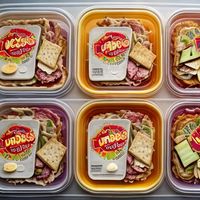
American appetites for Lunchables appear to be waning. According to Circana's data, during the quarter that concluded on November 3rd, the sales of these pre-packaged, compartmentalized meals, which are marketed towards children and their busy parents, experienced a 12% decline. This downturn is significantly impacting Kraft Heinz, the parent company of Lunchables, as their overall sales dipped by 2.2% in the last quarter, with nearly half of this decrease attributed to the struggling Lunchables brand. Kraft Heinz is now in a race to salvage its nearly $2 billion brand. Diana Frost, Kraft Heinz’s global chief growth officer, emphasized in an interview, "Lunchables is a top priority for us, and we are dedicated to ensuring its long-term growth."
Health

Doctors Approve Urinating in the Shower

By Victoria Gonzalez/Nov 28, 2024

While it may not be widely advertised, the act of urinating in the shower is a common practice among many individuals. Some are indifferent to the idea, viewing it as a matter of convenience since all waste ultimately flows to the same place. Others, however, consider it unhygienic. Regardless of personal opinions, urologists generally concur that this practice poses no significant health risks for individuals of any gender. Dr. Karyn Eilber, a urology professor at Cedars-Sinai in Los Angeles, remarks, "There's no harm in it, and for some, it's simply a matter of convenience. It's a matter of personal preference not to connect the place where you cleanse yourself with the act of elimination."
Health

Why It's Essential to Continue Exercising in Cold Weather, Explained by a Doctor

By James Moore/Nov 28, 2024

As the temperatures begin to drop across many regions of the Northern Hemisphere, it's essential to remember that the onset of cold weather doesn't have to signal the end of your fitness journey. I had the opportunity to discuss with wellness expert Dr. Leana Wen on how to maintain an active lifestyle during the winter months. We delved into the best types of exercises for cold weather, as well as how individuals can safely and enjoyably engage in outdoor physical activities when the mercury plummets. Dr. Wen, an emergency physician and a clinical associate professor at George Washington University, has also served as Baltimore's health commissioner. She provided insights on the recommended weekly exercise regimen and how to stay active outdoors in the chill.
Health

Excessive Sitting Tied to Heart Disease Risks – Despite Regular Exercise, New Research Suggests

By Grace Cox/Nov 28, 2024

Prolonged periods of sitting at a desk throughout the day may heighten the risk of cardiovascular diseases, regardless of whether one engages in physical activity during their leisure time, as per recent studies. Dr. Ezim Ajufo, a cardiology fellow at Brigham and Women’s Hospital in Boston and the lead author of the study, emphasized, "Our results underscore the significance of minimizing prolonged sitting, irrespective of one's physical activity levels." Although it is widely acknowledged that excessive sitting is detrimental to health, Dr. Keith Diaz, an associate professor of behavioral medicine at Columbia University Medical Center, who was not part of the study, noted the necessity for further research to clarify the precise risks and to establish guidelines on what constitutes excessive sitting time. He praised this particular study for its large sample size and the methods it used to investigate the effects of sitting.
Health

HHS Approves Kidney and Liver Transplants for HIV-Positive Individuals Under New Rule

By Natalie Campbell/Nov 28, 2024

In the annals of medical history, a momentous policy shift has been etched, as the United States announces a groundbreaking change in its organ transplant regulations. This new federal rule, a beacon of hope for those living with HIV, allows individuals with the virus to receive kidney and liver transplants from donors who also have HIV, without the previous requirement of being part of a research study. This change, anticipated to significantly reduce waiting times and increase the availability of organ transplants for those with HIV, is a testament to the Biden administration's commitment to health equity and reducing barriers to care.
Health

What Could Robert F. Kennedy's Confirmation as HHS Secretary Mean for Global Health?

By Amanda Phillips/Nov 28, 2024

In the realm of global health, the appointment of an individual to a position of power can send ripples across the international community, affecting the lives and well-being of millions. The potential selection of Robert F. Kennedy Jr. by President-elect Donald Trump as the head of the United States Department of Health and Human Services (HHS) is no exception. This appointment, if confirmed, would place Kennedy at the helm of an agency with a $1.7 trillion budget and a far-reaching influence over the health and well-being of not just Americans, but people around the globe .
Health

On Thanksgiving 30 Years Ago, I Gave Up Turkey and Haven't Looked Back

By Laura Wilson/Nov 28, 2024

Three decades have passed since I made the decision to abstain from meat during a Thanksgiving feast. Reflecting on that moment, I cringe at the self-righteous declaration I made at the table, which left my father shaking his head in disapproval as I toasted, "As George Bernard Shaw once said, 'Animals are my friends, and I don't eat my friends.'" My family, already aware of my college course on nonviolence, was not taken aback by my announcement. However, my roommates bore the brunt of my newfound moral fervor. I would interrogate my friends, "Do you know the suffering that cow endured before it became your burger?" My confrontational approach did little to sway opinions, and they pointed out the irony of my sudden change, given my carnivorous habits just the day before. Today, I remain a vegetarian, but my journey has led to unexpected insights about myself, others, and our world.
Health

A Doctor's Thanksgiving Food Safety Guidelines

By Grace Cox/Nov 28, 2024

As the Thanksgiving holiday approaches, with an anticipated 80 million Americans hitting the roads, it's a timely reminder that foodborne illnesses are increasing. Fortunately, these illnesses are largely preventable with proper precautions. To ensure the safety of the meals and leftovers we prepare for our family, I sought advice from wellness expert Dr. Leana Wen. Dr. Wen, an emergency physician and clinical associate professor at George Washington University, has extensive experience in food safety from her tenure as Baltimore's health commissioner.
Health

Ground Beef Recalled Over Possible E. Coli Contamination

By Jessica Lee/Nov 26, 2024

Wolverine Packing Company has initiated a recall of over 167,000 pounds of ground beef products distributed to eateries due to potential E. coli contamination. The United States Department of Agriculture's Food Safety and Inspection Service (FSIS) announced on Wednesday that fifteen cases of illness have been reported in Minnesota, with the onset of symptoms ranging from November 2nd to November 10th. The fresh products have a recommended consumption date of November 14th, while the frozen items are marked with a production date of October 22nd. All affected products bear the establishment number EST. 2574B within the USDA's inspection mark. The FSIS has indicated that these items were shipped across the United States to various dining establishments and there is a concern that some may still be stored in restaurant refrigerators or freezers. It is advised that all such products be discarded or returned and not consumed.
Health

Aerobic Fitness in Middle Age May Lower Risk of Alzheimer's and Dementia, Study Finds

By Sarah Davis/Nov 26, 2024

Engaging in increased aerobic activity during middle and later years of life may significantly mitigate the risk of developing dementia, including Alzheimer's disease, as indicated by recent research. "Our findings highlight the pivotal role that cardiovascular fitness plays in lowering the risk of dementia, even among individuals who are genetically susceptible to Alzheimer's," remarked Weili Xu, a professor at the Aging Research Center of Karolinska Institute in Stockholm. Xu, the lead author of the study, emphasized in a communication, "Promoting gradual enhancements in physical fitness offers a practical and significant approach to bolstering brain health across various demographics."
Health

Preventing Severe Strokes: New Research on Risk Reduction Strategies

By Natalie Campbell/Nov 26, 2024

A multitude of risk factors can precipitate a stroke, yet the impact of certain conditions or behaviors may exert a more potent influence on the likelihood of experiencing a severe stroke rather than a mild one, as suggested by recent research. Stroke is recognized as the third leading cause of mortality globally, resulting in an estimated 5.5 million deaths each year, according to a study conducted in November 2018.
Health

One Simple Step for Healthier Food and Exercise During Holiday Travel

By Olivia Reed/Nov 26, 2024

During festive seasons, Dana Santas and her spouse adhered to their fitness regimen, making daily trips to the gym. Santas, a fitness expert and a mind-body coach for elite athletes, described their predicament: “We were at a dairy farm in Wisconsin, in the heart of rural tranquility. Our routine involved a 35-minute drive to the gym, an hour of exercise, and another 35 minutes back.” Maintaining health-promoting habits amidst the holiday cheer, especially when visiting relatives, can be challenging. How does one balance board games with a workout or resist grandma’s famous cookies after indulging in pie? According to our experts, you might not need to forgo either. It’s crucial to sustain activities that boost your well-being during holidays, but not at the expense of your seasonal enjoyment, Santas noted. “We were proud of our fitness, but these were people we rarely saw, at most three times a year,” she reflected. “His mother has since passed away, and I wish I could reclaim the time I spent at the gym.” The key may be to relinquish the expectation of maintaining a typical diet and exercise pattern, and instead, integrate minor healthy habits into your holiday festivities.
Health

Avian Influenza Virus Found in Raw Milk in California

By Sophia Lewis/Nov 26, 2024

A recent alert issued by the California Department of Public Health has cautioned consumers against consuming a specific batch of raw milk due to the detection of avian influenza virus. The department has reassured that no illnesses have been linked to this batch, and pasteurized milk remains safe for consumption. In a statement, the department urged, "Given the ongoing transmission of avian influenza among dairy cattle, poultry, and occasional human cases, it is advised that the public refrains from consuming the affected raw milk as a precautionary measure."
Health

3 Charts That Help Explain Fluoride in Drinking Water

By Ryan Martin/Nov 26, 2024

The soon-to-be President Donald Trump has reportedly selected Robert F. Kennedy Jr. as his Secretary for Health and Human Services, with a commitment to prioritize health care reforms in his second term. Although the specific policies are yet to be disclosed, Kennedy has hinted at revisiting the fluoridation of water systems across the United States. His ability to implement changes will depend on his nomination and subsequent Senate confirmation in 2025. On a social media platform, Kennedy expressed his intentions to advocate for the removal of fluoride from the nation's water supply, citing its alleged links to a range of health issues including arthritis, bone fractures, bone cancer, reduced IQ, neurodevelopmental disorders, and thyroid diseases.
Health

Solving a 40-Year Mystery: Scientists Identify Chemical in Tap Water Consumed by Millions of Americans

By Eric Ward/Nov 26, 2024

Over the span of more than four decades, a perplexing chemical compound has been detected in the treated drinking water consumed by millions across the United States. However, the precise identity of this substance remained elusive until recently. Researchers have now identified it as chloronitramide anion, a byproduct resulting from the decomposition of chloramine, a chemical widely utilized in water treatment facilities to ensure potable water. According to a study published in the esteemed journal Science, approximately 113 million individuals are potentially exposed to this compound through their tap water. The health implications of chloronitramide anion are yet to be fully understood, but the researchers note that it shares characteristics with other regulated toxic molecules. Historically, there have been instances where chemicals employed to purify drinking water have produced byproducts that the US Environmental Protection Agency (EPA) had to regulate due to their carcinogenic potential.
Health

The Struggle for Nutritional Advice on Ultraprocessed Foods and Its Current Failure

By Sarah Davis/Nov 26, 2024

Ultraprocessed foods have become a dominant force in the American diet, making up nearly 70% of the nation's food supply. These industrially manufactured products, laden with refined ingredients and additives, are designed to hit our "bliss point," creating an irresistible allure that is reminiscent of the old Lay's potato chip ads featuring Bert Lahr, where the tagline "Betcha can't eat just one" perfectly encapsulates their addictive nature. The question at hand is whether these foods, with their high levels of sugar, salt, and fat, are universally harmful, and if not, what mechanisms within them drive poor health outcomes.
Health

Alcohol Consumption Remains Elevated Post-Pandemic, New Study Reveals

By Emily Johnson/Nov 26, 2024

The Covid-19 pandemic has led to a worrying trend in the United States: an increase in alcohol consumption and related deaths that has not subsided as expected. Dr. Brian Lee, a transplant hepatologist at Keck Medicine of the University of Southern California, had anticipated a decrease in alcohol use but has instead witnessed a rise in patients suffering from liver failure due to excessive alcohol intake. "I had hoped for a decline in alcohol consumption, but as a liver specialist, I've seen an actual increase in patients with liver failure, a severe clinical outcome of overdrinking," Dr. Lee stated. "This surge has continued through the pandemic, and my clinical and hospital experiences reflect this trend, with no signs of reduction."
Health

Study Reveals Vaping Negatively Impacts Vascular Health and Oxygen Levels Instantly, Regardless of Nicotine Content

By Rebecca Stewart/Nov 26, 2024

Recent studies have indicated that the act of vaping can have an immediate impact on the functionality of a person's blood vessels, irrespective of whether the e-cigarette contains nicotine or not. This research, which is yet to be published in a peer-reviewed journal and was presented at the annual conference of the Radiological Society of North America in Chicago, revealed that vaping, both with and without nicotine, can lead to a decrease in venous oxygen saturation. This reduction may suggest that the lungs are not receiving an adequate amount of oxygen. While further research is necessary to confirm these findings and to understand the long-term effects, scientists speculate that regular vaping could potentially result in vascular diseases.
Health

Doctors Advise: Limit Toilet Sitting to Under 10 Minutes

By Emily Johnson/Nov 18, 2024

Let's face it—many of us have a tendency to take our smartphones into the restroom. I've certainly been there, and it's likely that someone is currently perusing this article from the comfort of their throne. What starts as a quick three-minute break can easily extend into a 15-minute session of reading, scrolling, and sharing. While it might seem like an innocent way to kill time during your daily constitutional, experts caution that spending an excessive amount of time on the toilet can have negative health implications.
Health

How to Prevent Diabetes: A Doctor's Advice

By Samuel Cooper/Nov 18, 2024

A groundbreaking study published in The Lancet has revealed that over 800 million adults across the globe are currently managing diabetes. The prevalence of this chronic condition stood at approximately 14% in 2022. Alarmingly, the research indicated that nearly 60% of adults aged 30 and above who have diabetes were not receiving the necessary treatment last year. As World Diabetes Day approaches, it is crucial to deepen our understanding of diabetes, focusing on prevention strategies, health implications, diagnostic methods, available treatments, and the lifestyle adjustments that can benefit both those living with diabetes and those looking to prevent it. To shed light on these topics, I had the opportunity to engage in a conversation with wellness expert Dr. Leana Wen, an emergency physician and adjunct associate professor at George Washington University, and a former health commissioner of Baltimore.